Metis Heritage Research
“Preserving the stories, oral histories, documentation, and lives of those who came before us.”
The Métis Nation are one of the three constitutionally recognized Indigenous peoples in Canada, alongside First Nations and Inuit peoples. The Métis emerged as a distinct people during the fur trade era of the 17th and 18th centuries, primarily in the regions surrounding the Great Lakes, the Prairies, and the Red River Settlement in present-day Manitoba.
The Métis People: History, Identity, and Genealogy
Over generations, Métis communities developed their own culture, traditions, kinship systems, language, and political identity. The Métis became a distinct nation with a shared history and homeland rooted in the Canadian West.
Origins and Early History
The roots of the Métis are closely tied to the North American fur trade. French voyageurs and traders working for companies such as the Hudson’s Bay Company and the North West Company often married Indigenous women according to local custom.
By the late 1700s and early 1800s, Métis communities had formed across the Prairies and Red River region. Their economy centered on buffalo hunting, trade, transportation, and agriculture.
The Métis also developed their own language, Michif — a blend of Cree and French — which remains an important cultural symbol today.
Political Identity and Resistance
As Canada expanded westward during the 19th century, Métis communities faced displacement and land pressures. Under the leadership of Louis Riel, the Métis organized the Red River Resistance of 1869–1870 to defend their lands and political rights.
A second resistance in 1885 culminated at Batoche in present-day Saskatchewan. Louis Riel’s execution in 1885 became one of the defining events in Canadian history.
Métis Genealogy
Métis genealogy is both rewarding and complex because family lines often connect Indigenous, French-Canadian, Scottish, and English ancestry across wide geographic regions.
Key Features of Métis Family Research
1. Fur Trade Connections
Many Métis families descend from voyageurs, interpreters, traders, and Hudson’s Bay Company employees.
2. Catholic Parish Records
Roman Catholic mission records are among the most important genealogical resources for Métis families.
3. Naming Patterns
French naming customs and repeated given names across generations are common in Métis records.
4. Mobility
Métis families often moved seasonally or permanently between trading posts and settlements.
5. Scrip Records
Scrip applications are valuable genealogical records containing affidavits, family relationships, and birthplaces.
Major Métis Surnames
- Dumont
- Riel
- Lagimodière
- Lavallée
- Desjarlais
- Poitras
- McKay
- Cardinal
- Falcon
- Arcand
- Belcourt
Genealogical Resources
- Library and Archives Canada
- Saint-Boniface Historical Society
- Manitoba Métis Federation
- Métis Nation of Alberta
- Métis National Council
- FamilySearch
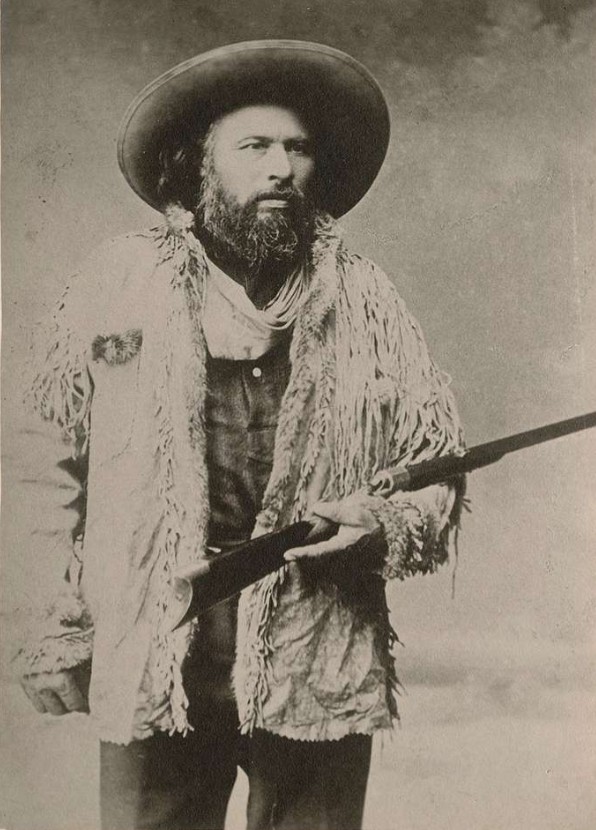
Métis Historical Photographs